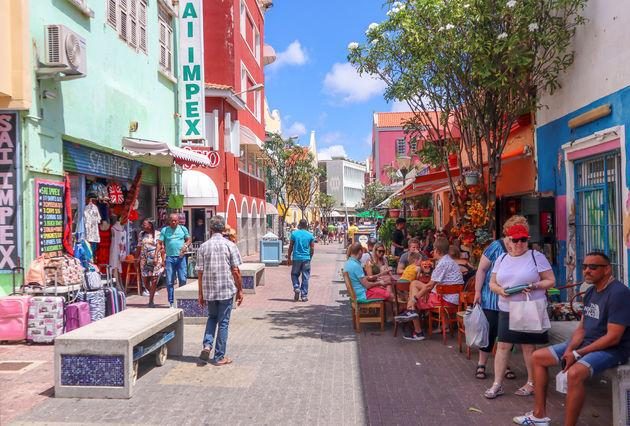
Commercial real estate in Curaçao is a market of niches. There's no institutional-grade office tower play here — the opportunities live in tourism-adjacent property, well-located retail, and logistics serving an island that imports nearly everything. If you have an investment thesis, this guide will help you test whether Curaçao fits it.
The landscape: what's active, what's oversupplied
Active and growing: hospitality in all its forms — boutique hotels, short-term rental buildings, restaurant premises in Pietermaai and the beach corridors — riding a multi-year uptrend in stay-over tourism and new airlift from the US and Europe. Logistics and warehousing near the port and airport stay structurally tight. Steady: neighborhood retail anchored by supermarkets, medical and professional space serving the local and expat population. Oversupplied or fragile: generic office space (government and corporates consolidated years ago; hybrid work didn't help), and secondary retail strips outside the main corridors. The island's e-zone and international financial services sector generates some quality office demand, but it's selective.
Price per square meter, by category
| Category | Purchase (USD/m²) | Indicative rent (USD/m²/month) |
|---|---|---|
| Retail, Pietermaai / prime Willemstad | $1,500 – $3,000 | $15 – $35 |
| Office, Willemstad area | $900 – $1,800 | $10 – $20 |
| Warehouse, airport / Zeelandia corridor | $600 – $1,200 | $6 – $12 |
| Hospitality (per key, boutique) | $80,000 – $250,000 per room | — |
Ranges are wide because condition and micro-location dominate. A restored monument building in Pietermaai and a tired 1980s block two streets away are different asset classes wearing the same postcode.
Foreign ownership: open, with useful structures
There are no restrictions on foreigners owning commercial property — same freehold system, same notary process, same 4% transfer tax as residential. Most serious investors buy through a local BV (private limited company), which simplifies eventual exit (share deals can avoid a second transfer tax event), cleans up liability, and fits local tax planning. Curaçao's e-zone regime offers reduced profit tax for qualifying export-oriented businesses, and the island actively courts foreign investment — but the incentives target operating businesses more than passive landlords. Structure advice from a local tax advisor before purchase costs a little and saves a lot; retrofitting a structure after closing is expensive.
Lease dynamics: know your tenant's covenant
Typical commercial leases run 3–5 years with renewal options, often lightly indexed. Tenants usually pay their own utilities and interior maintenance; structure and insurance stay with the landlord — read each contract, because "standard" varies. The real underwriting question on a small island: who is the tenant, really? Financial statements can be thin or unaudited. Practical covenant checks: how many years operating, personal or parent-company guarantees, bank references, and — this is the island reality — reputation, which is easy to check and brutally honest here. Two or three months' deposit is normal; for tourism-dependent tenants, stress-test their rent against a bad low season before you count the yield.
The tourism-driven opportunity
The strongest commercial thesis on Curaçao is picks-and-shovels tourism: premises leased to dive operations, restaurants, tour operators, spas, and — the standout — buildings that operate as short-term rental assets (small apartment blocks, boutique hotel conversions in Pietermaai and Otrobanda). These can produce net yields of 7–10%+, well above residential, because you're being paid for operational complexity most passive buyers won't touch. Stay-over arrivals have grown strongly for years, new hotel capacity keeps validating the trend, and the cruise calendar feeds the retail corridors. The play: own the real estate under the tourism economy without operating the tour boat yourself.
The risks, stated plainly
Concentration: the economy leans on tourism, financial services, and the perpetually uncertain refinery — a global travel shock hits commercial cash flows here fast and hard, as 2020 proved. Currency: the guilder's USD peg (unchanged through the 2025 transition to the Caribbean guilder) removes exchange risk for dollar investors, but it also means the island imports US monetary conditions whether they suit it or not. Liquidity: commercial resale is thinner than residential — plan on holding through cycles, and underwrite your exit to a local or Dutch buyer, not an institutional one. Downturn behavior: vacancies stretch long here; a vacant commercial building costs you insurance, security, and deterioration while it waits. Buy assets that can be re-tenanted across multiple use cases, not single-purpose buildings.
I track commercial listings and off-market opportunities. If you have a specific investment thesis, I can tell you whether Curaçao fits it.
Get a hand-picked shortlist (free)
Tell me what you're looking for. I'll reply personally with a short, honest list of options that fit — including properties that aren't on the big portals — plus the free 2026 Buyer's Blacklist: 12 property traps foreign buyers keep falling into.